
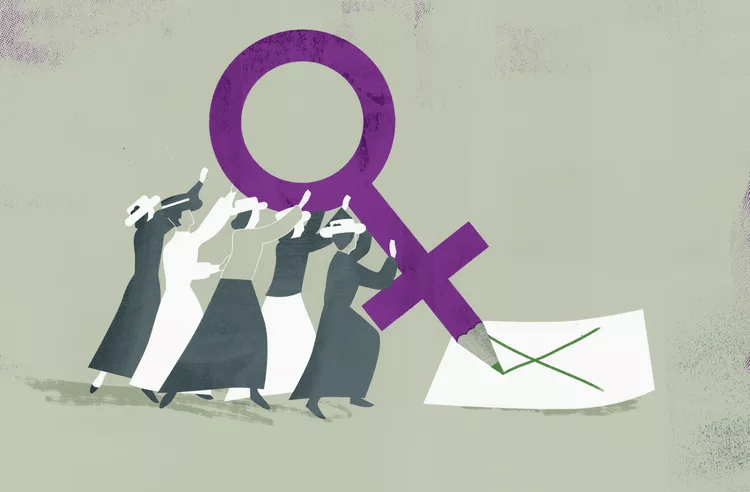
Women’s History Month was established in March 1987, with the purpose of remembering the contributions women have made to American history and culture. Women’s work has always been devalued throughout history.
During the Victorian era, the works of the Brontë sisters were under attack from many critics. Emily Brontë, for example, was viewed by the patriarchal society as a violation of the social order, as her novels depicted somewhat wild love and revenge, contradicting traditional notions of family, morality, and social class. It was not until after the 30s of the 19th century that women gradually gained the opportunity to go to university and earn degrees.
Even today in the United States, women’s right to education is still under attack. And it is always hard for women to be rooted and create their own literary work, as quoted by Virginia Woolf in her essay A Room of One’s Own: “All I could do was to offer you an opinion upon one minor point—a woman must have money and a room of her own if she is to write fiction.”
As March comes to an end, I would like to share some renowned American female writers and their contributions they have made to the feminist struggle.
One of the most important female authors when we bring up feminism has to be Kate Chopin. She is a pioneer in feminist writing of the 19th century.
Published in 1899, in her novel The Awakening, the background is set in late 19th-century New Orleans and along the coast of southern Louisiana. The novel is centered around the character, Edna Pontellier, and the story tells about her struggles, under a patriarchal society, between the traditional view of motherhood and womenhood, and trying to navigate herself.
This is the first literary work to address women’s issues without moralizing and is widely regarded as a milestone in early feminist literature. Her work is deeply rooted in the complex cultural contradictions of Louisiana. Her work is often set in the background of the local customs, traditions, and the Creole and Acadian cultures. They possess a rich regional flavor that establishes her as a chronicler of Creole culture.
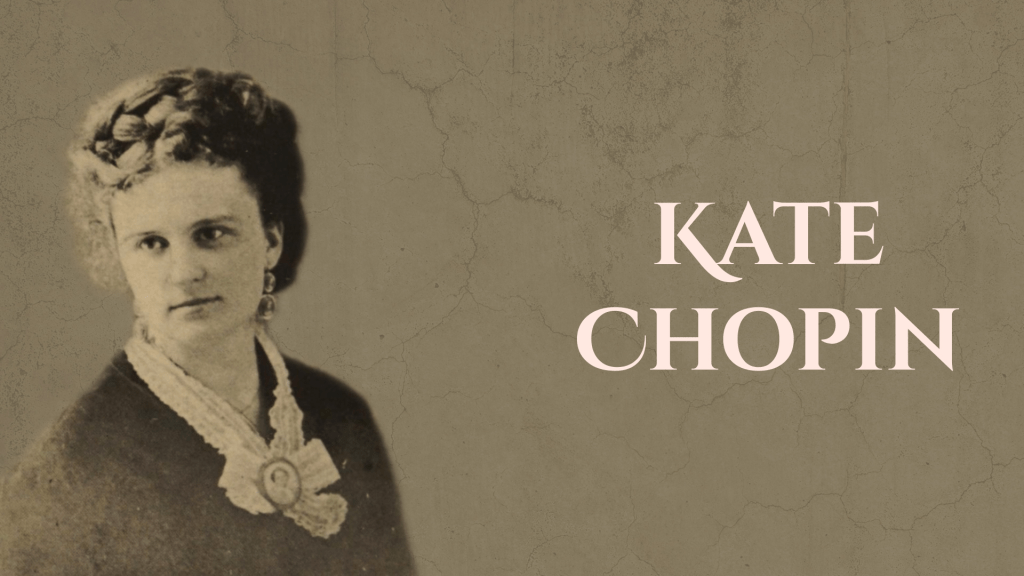
Her work is deeply rooted in the complex culture of Louisiana. Her work is often set in the background of the local customs, traditions, and the Creole and Acadian cultures. The rich regional flavor in her work essentially establishes her as a chronicler of Creole culture. She focuses on women’s struggles of desire and constraint. She portrays women’s inner worlds, self-awakening, and existential dilemma of survival within the contexts of marriage, romance, emotional life, and sexual consciousness. Her work portrays the cultural hybridity among Creoles, descendants of the French, Black people, and White people.
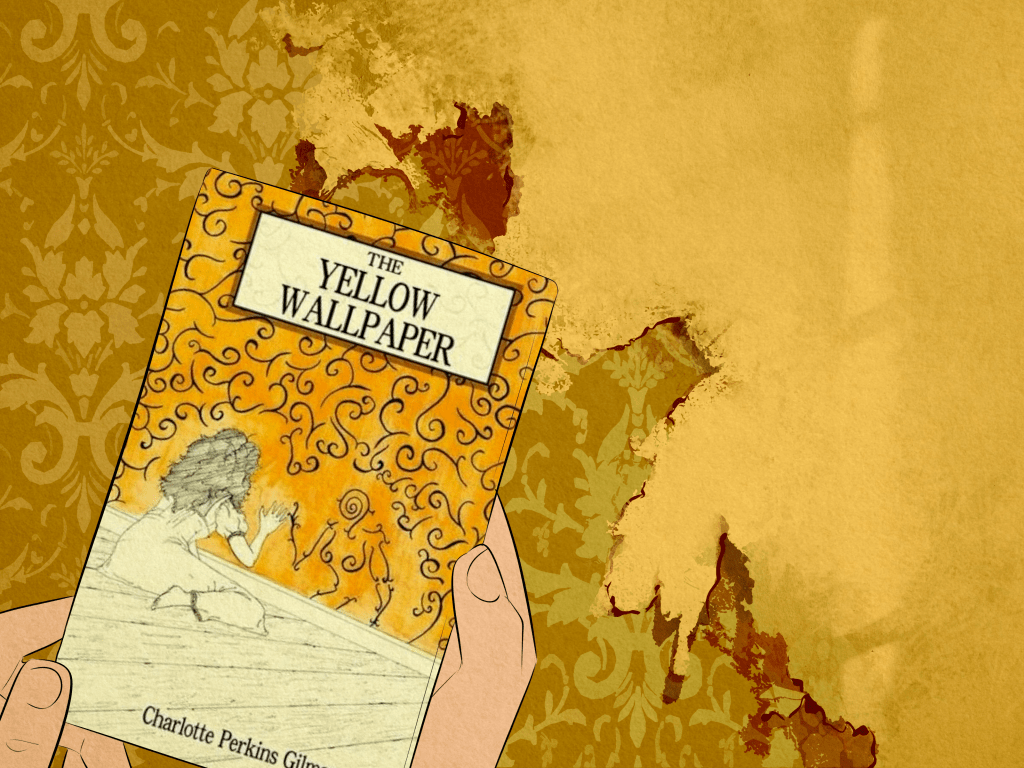
One of the must-reads is The Yellow Wallpaper by Charlotte Perkins Gilman.
This story is her autobiography. In 1884, she married the artist Charles Walter Stetson. In the following years, their only child was born. Less than a year after her daughter’s birth, Gilman became depressed. Both marriage and motherhood worsen her symptoms.
In 1887, she wrote in her diary that she was suffering severely from some form of brain disease and experiencing a mental breakdown. She was then treated by her doctor, went through a rest cure, forbidding her from getting out of bed, reading, writing, sewing, speaking, or even feeding herself.
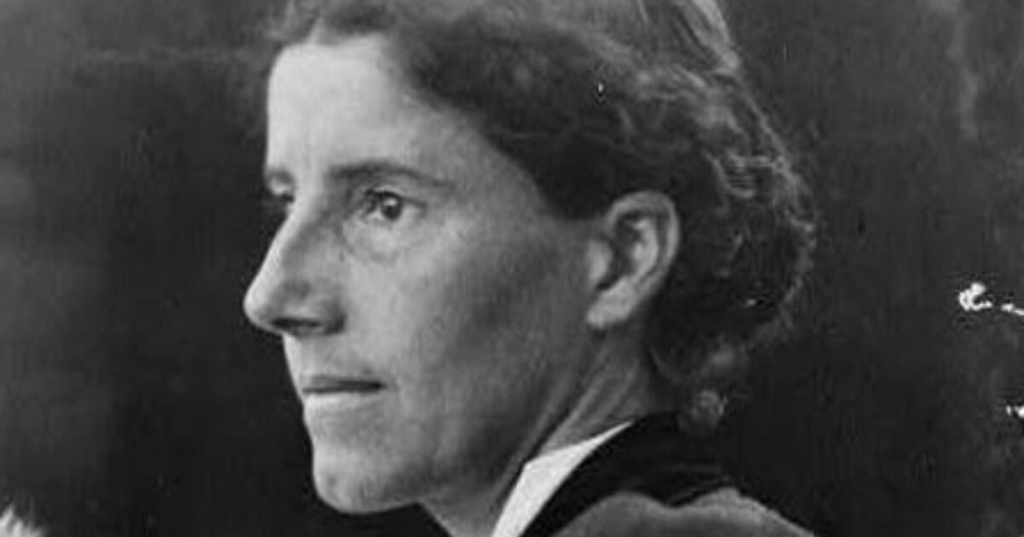
After nine weeks, returning home, she was still following her doctor’s advice, staying indoors as much as possible, keeping her child constantly by her side, lying down for an hour after meals, limiting herself to just two hours of intellectual activity per day, and staying away from writing or painting. However, her depression worsened. The Yellow Wallpaper tells about her struggle and many other women’s struggles being kept domestic, and the final breakdown or the break free. Two of the things might be the same.
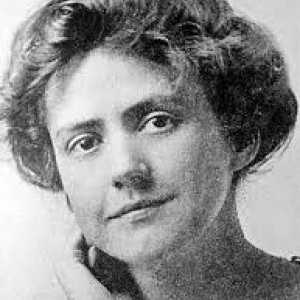
Susan Keating Glaspell is an American playwright, novelist, journalist, and actress.
Most of her works explore controversial social themes, such as sexism and ethics.
In the early 21st century, she continued to be recognized as a pioneer of feminist literature and as the first major female playwright in modern American history. Her one-act play, Trifles, is based on a real-life murder case
The play is centered on the death of John Wright, a farmer, and his wife, Minnie, was the primary suspect. While a three-man investigator conducts the search, Mrs. Hale and the Sheriff’s wife, by observing details within the kitchen, discover a broken birdcage and the corpse of a canary, revealing the truth and the long-time suffering under a psychological oppression by her husband, finally murdering him. During the search, two women find many Trifles, such as quilts or broken glasses of jam, but they were laughed at by the men, saying that women only care about the domestic details that no one cares about, but actually, the important clues of the case. Then the two women choose to conceal this evidence, using their silence as a form of resistance against the male-dominated judicial system.
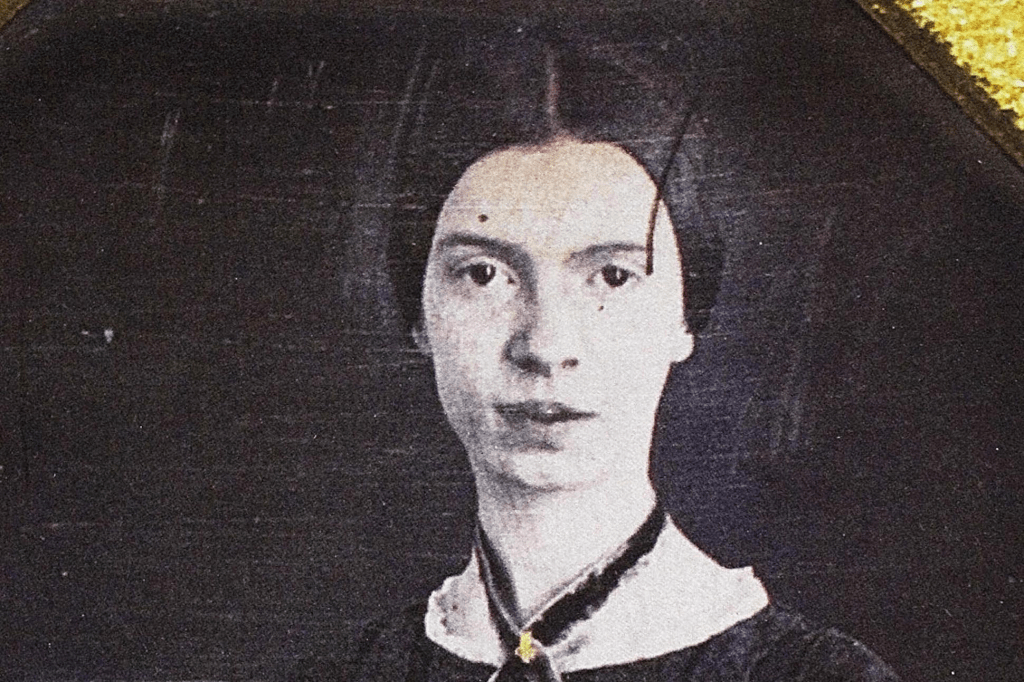
During her lifetime, Emily Elizabeth Dickinson published only ten poems and remained unknown. It was not until nearly seventy years after her death that she began to receive serious attention from the literary world
Living in the oppression and injustice of a patriarchal society, Emily Dickinson chose to give up female stereotypes, drawing strength from the natural world to deconstruct male-dominated discourse. She viewed nature with an eye of equality and appreciation, realizing her self-worth as a woman through a return to the natural world
In her poetry, she encourages her readers to reflect upon gender relations and the connection between humanity and nature.
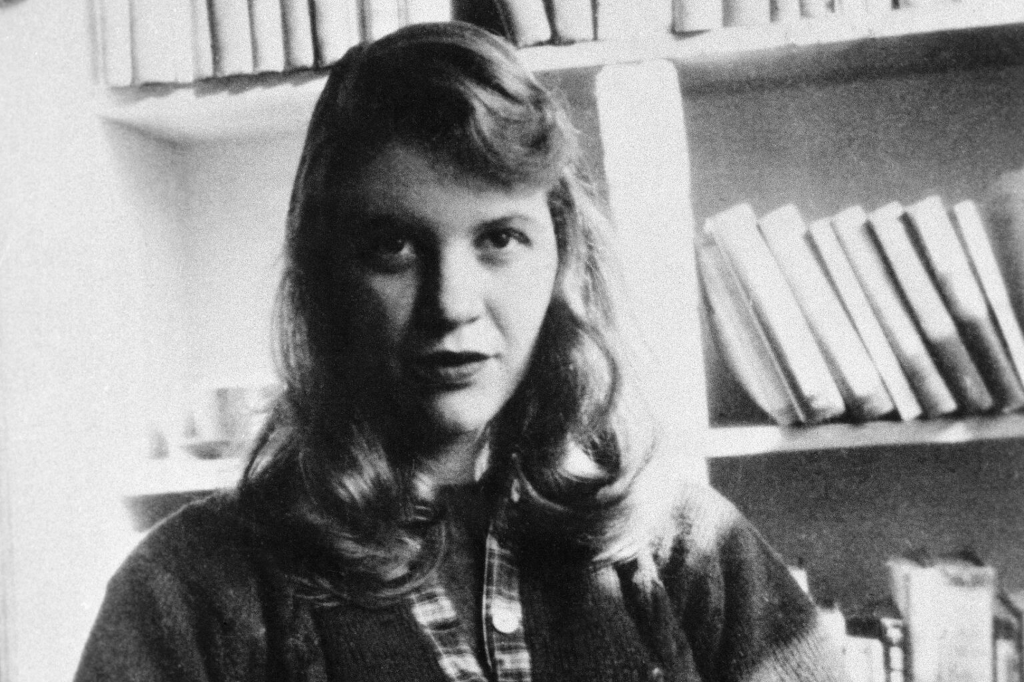
Sylvia Plath was an American poet. Her works reveal the repression of women within a patriarchal society, as well as the struggles of marriage, postpartum depression, and the assertion of bodily autonomy. She is often characterized as a madwoman. But her work was written under the chronic symptoms of depression, as a woman would suffer. Her most celebrated works, the poems “Daddy" and “Lady Lazarus," as well as the novel The Bell Jar, directly talk about alienation and self-destruction intimately tied to her personal life, extending to reflect the broader plight of American women in the mid-20th century.
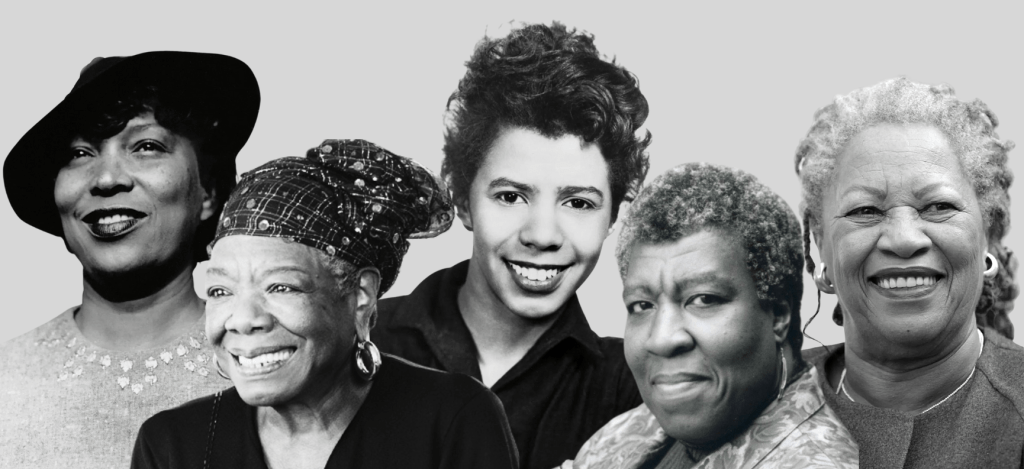
And there are more, more than a blog can contain, and more than ten thousand blogs can include. There are Nella Larsen, Toni Morrison, Audre Lorde, Louise Erdrich, Adrienne Rich, Lorraine Hansberry, Maxine Hong Kingston, Sandra Cisneros, and many more. These are all the women writers we should know, because women have been suppressed for so many years, and their works remain unseen for long, longer than you can think of.
It is our responsibility to let women’s work be seen, read, and recognized, so women and men can get the same opportunities to create in the future, more fabulous works.
So get a grip on a book by a woman writer now, and read it!


發表留言